

Back on the Bike
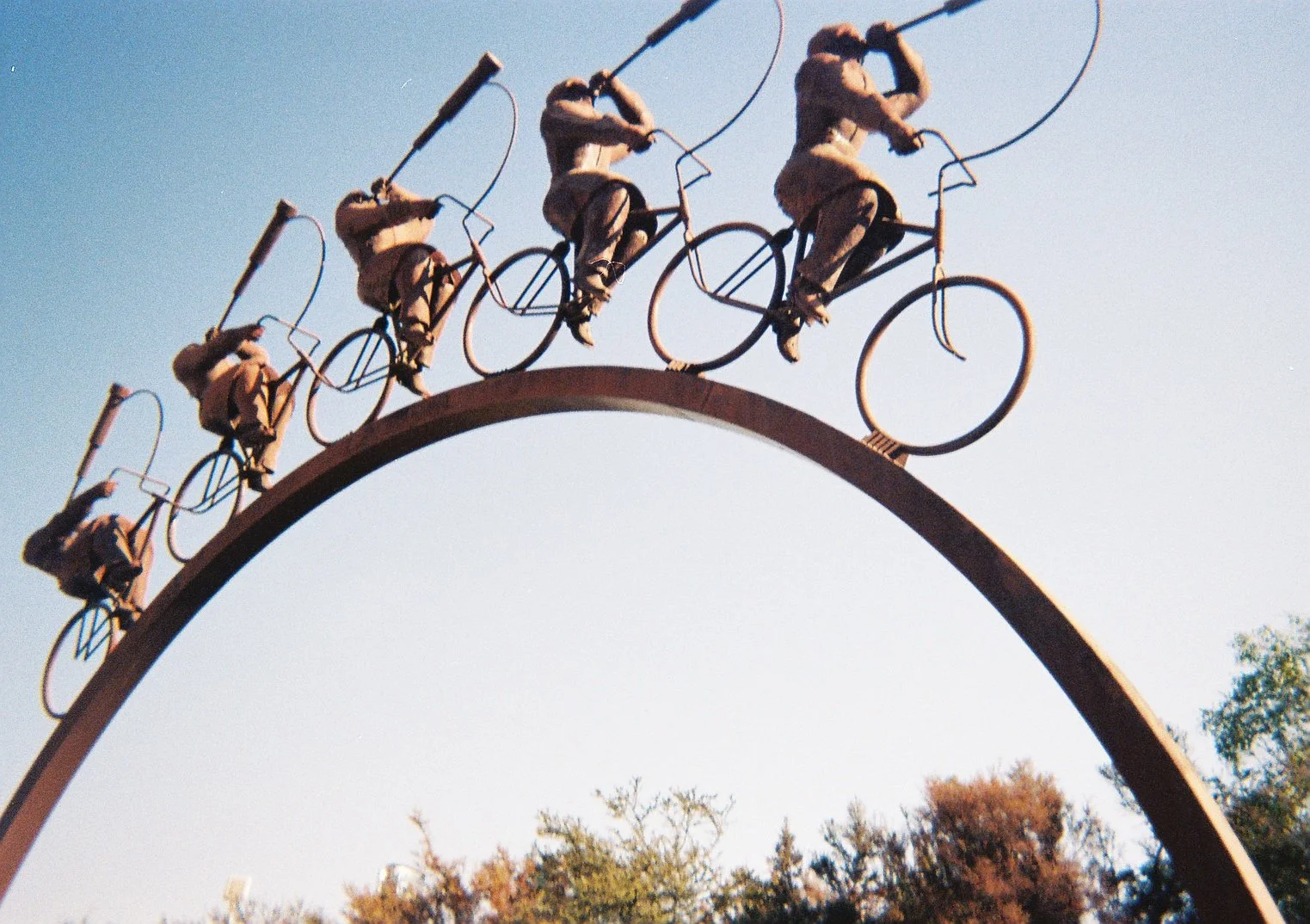
When we fell off our bikes back then, it felt like imminent death.
The dripping blood meant an emergency. The streaming tears meant pain. The neighborhood kids would crowd around whoever was down, reluctant but eager to catch a glimpse of a gnarly scraped knee or a deeper gash. It was scary, but we couldn’t look away.
The parents never panicked. They had seen it before. They had felt it before. They walked over, assessed the damage, helped us up, and told us to wipe our tears. They brought out first aid kits, dressed the wound, and sent us back outside.
“Get back on that bike,” one of the neighborhood dads would say. Not because he was insensitive, but because he understood something we didn’t.
This is how life would be.
One evening, I was in the kitchen of a woman I used to see. She and her roommate were talking about past trauma and strained family relationships. I listened. Then she turned to me.
“What’s the hardest thing you’ve ever been through?” she asked, almost impatiently. As if hardship were something I had to prove.
That’s a loaded question. She probably wouldn’t have liked my answer. Who can truly understand the circumstances someone else considers “hard”?
Does it make sense to measure a life by its worst moments? I doubt life is a competition over who has suffered more.
Hardship isn’t in the fall, but in how we ride after it. Sit still, and pain becomes a prison.
It shouldn't be about how hard we fell. It’s about showing up for the next ride, knowing full well we could fall again.
